emote Care
Part of the founding design team at emote Care, delivered MVP in 8 months, full launch in 15, and supported funding success.
HealthTech
User Research
UX/UI Design
Visual Design
Overview
The Problem: the founders — two practicing therapists — approached me with a challenge: existing therapy platforms felt transactional, overwhelming, and opaque.
Clients: struggled to find support that felt persona
Therapists: burdened with high fees, admin overload, poor usability
My Role in the Solution:
Design a therapy platform from scratch that feels safe, warm, and easy-to-navigate — for both clients and therapists.
The Impact:
Core MVP was delivered in 8 months, then expanded with strategic add-ons (note management, contract builders, dashboards) for a full launch at 15 months, helping secure funding for continued growth.
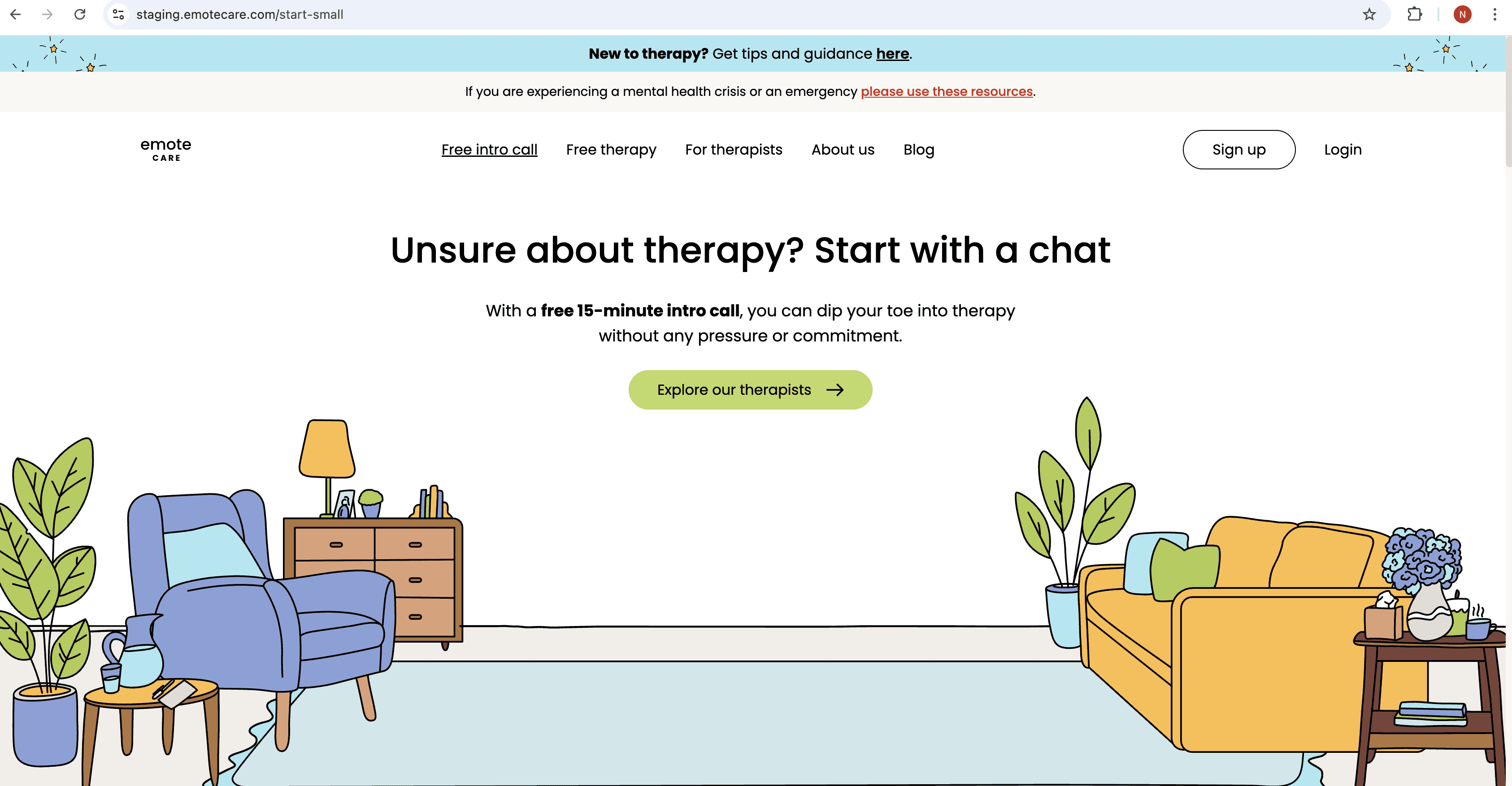
* Landing page
Team
Design:
Lead Designer
UX/UI → Product Designer (Me)
Short collaboration with Illustrator, UX Researcher, Junior Designer
Product and Marketing:
Product Manager
Senior Marketing Manager
Content Creator
SEO Specialist
Engineering and Support:
5 Developers
QA Engineer
Customer Support
Domain Experts:
2 Founding Therapists
Contributing Therapist Community (47 members)
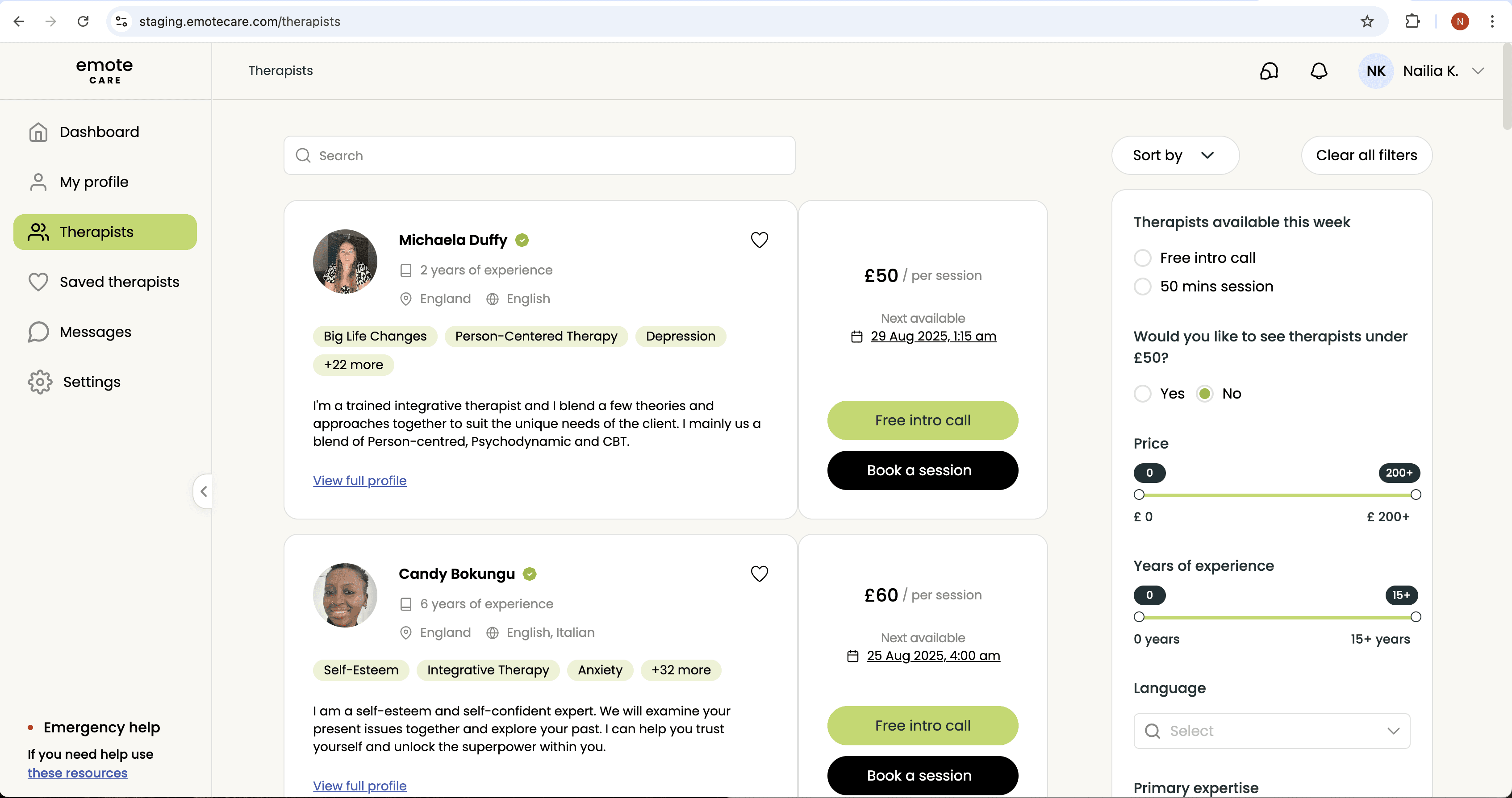
* Therapist search panel
My Role in the Solution
Role: UX/UI → Product Designer.
Early stage focus:
Translated product decisions into high-fidelity, user-ready designs
Collaborated closely with the Lead Designer and PM to align on product decisions
Delivered smooth developer handovers with clear specs & assets
Supported visual identity development to establish trust and clarity
Later stage growth:
Conducted user interviews with therapists & clients
Analyzed clarity metrics and spotted usability leaks
Iterated flows & visuals to improve trust and reduce friction
Collaborated closely with Customer Support to identify user pain points
Partnered with the Marketing team to align product design with positioning and growth goals, and supported the content creation process
This evolution gave me hands-on experience in both executional craft and product-level problem solving, bridging the gap between design delivery and measurable impact.
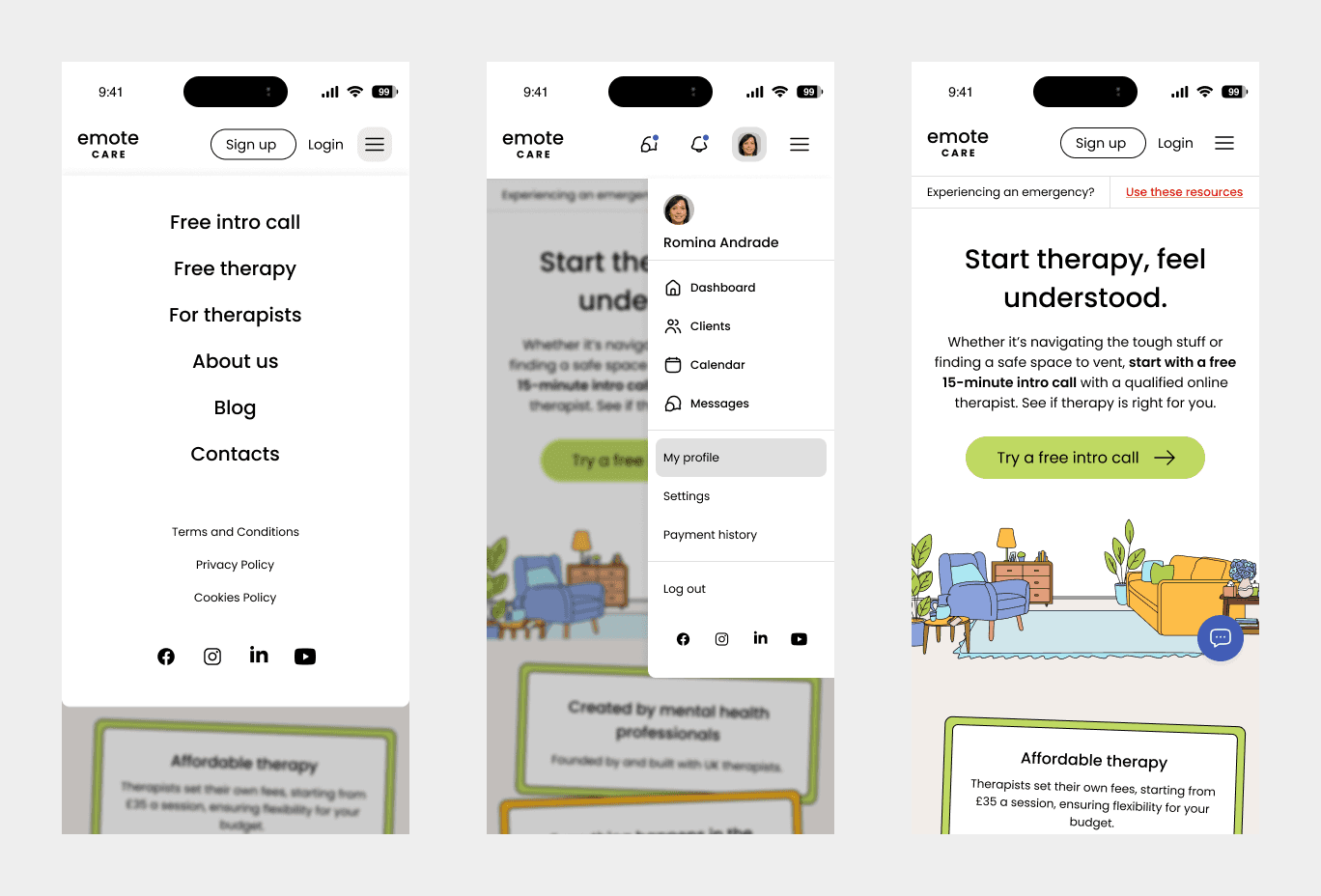
*Improved navigation, reducing navigation-related confusion and cutting support tickets by ~30%.
Challenge
The key challenge was building trust in a sensitive domain while balancing speed. Therapists wanted a platform that felt personal and intuitive, but the team also needed to deliver an MVP quickly to validate the idea and raise funding.
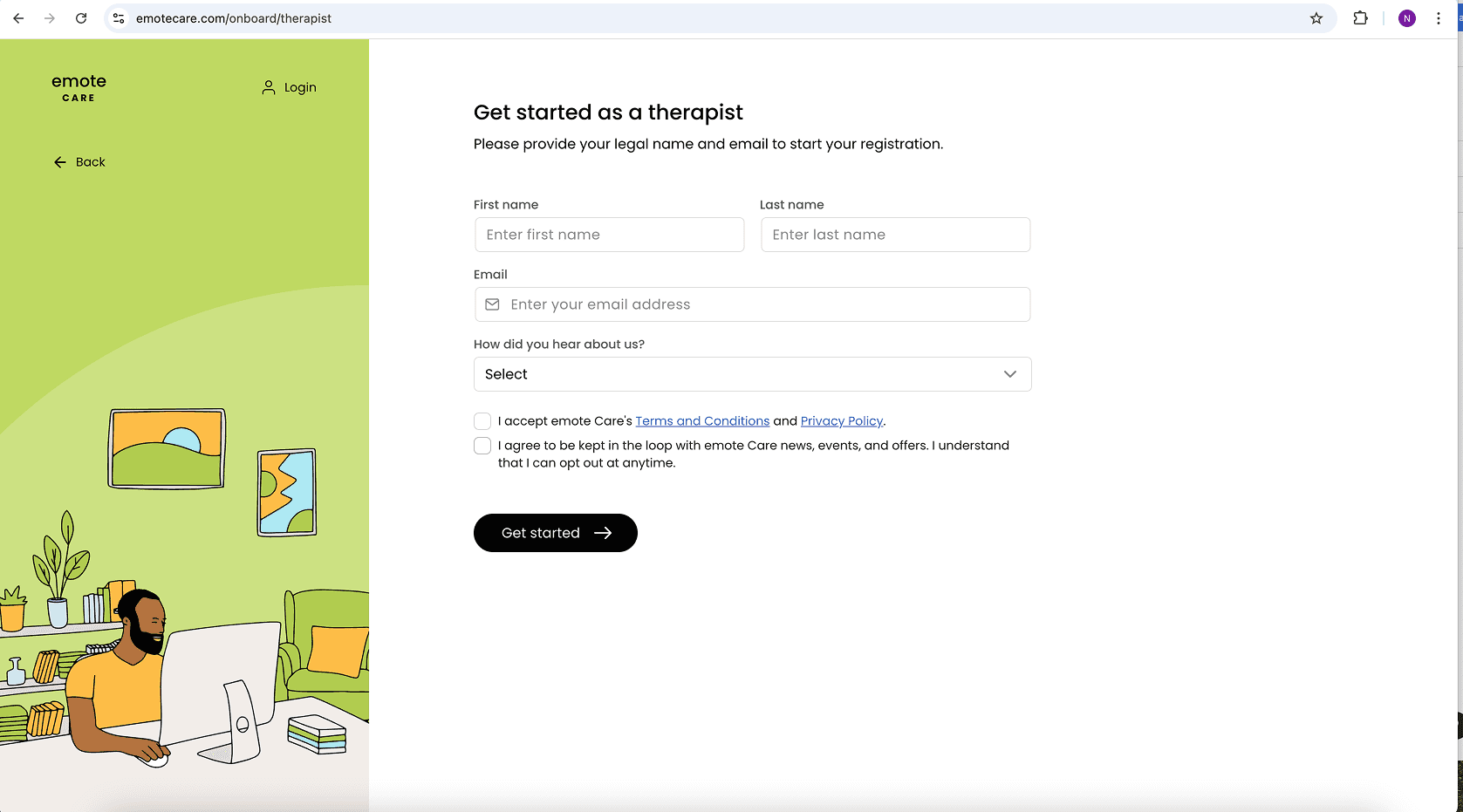
*Intuitive onboarding flow, resulted in 300+ therapists registered after launch
Approach
Discovery and Research
Conducted therapist & client interviews to uncover pain points
Discovered the main audience: non-technical women over 35, requiring simpler navigation and friendlier copy
Mapped therapy journey: onboarding → discovery → booking → session → payment → follow-up
Design and Iteration
Refined calendar to allow 15-min slot flexibility (vs. 30-min only)
Introduced free 15-min intro sessions to build therapist trust
Designed guest checkout + follow-up assessment after intro sessions
Improved navigation, added favorites + search to find therapists easily
Added articles about therapy types to educate clients
Integrated video calling directly into the platform
Built on-platform payments for a seamless, secure flow
Adjusted copy & flows to be friendly for non-tech users
Created high-fidelity UI with warm, trust-building visuals and clear layouts
Testing and Feedback
Ran walkthroughs with therapists and clients
Iterated based on feedback from Customer Support + early testers
Refined booking and discovery flows to reduce friction
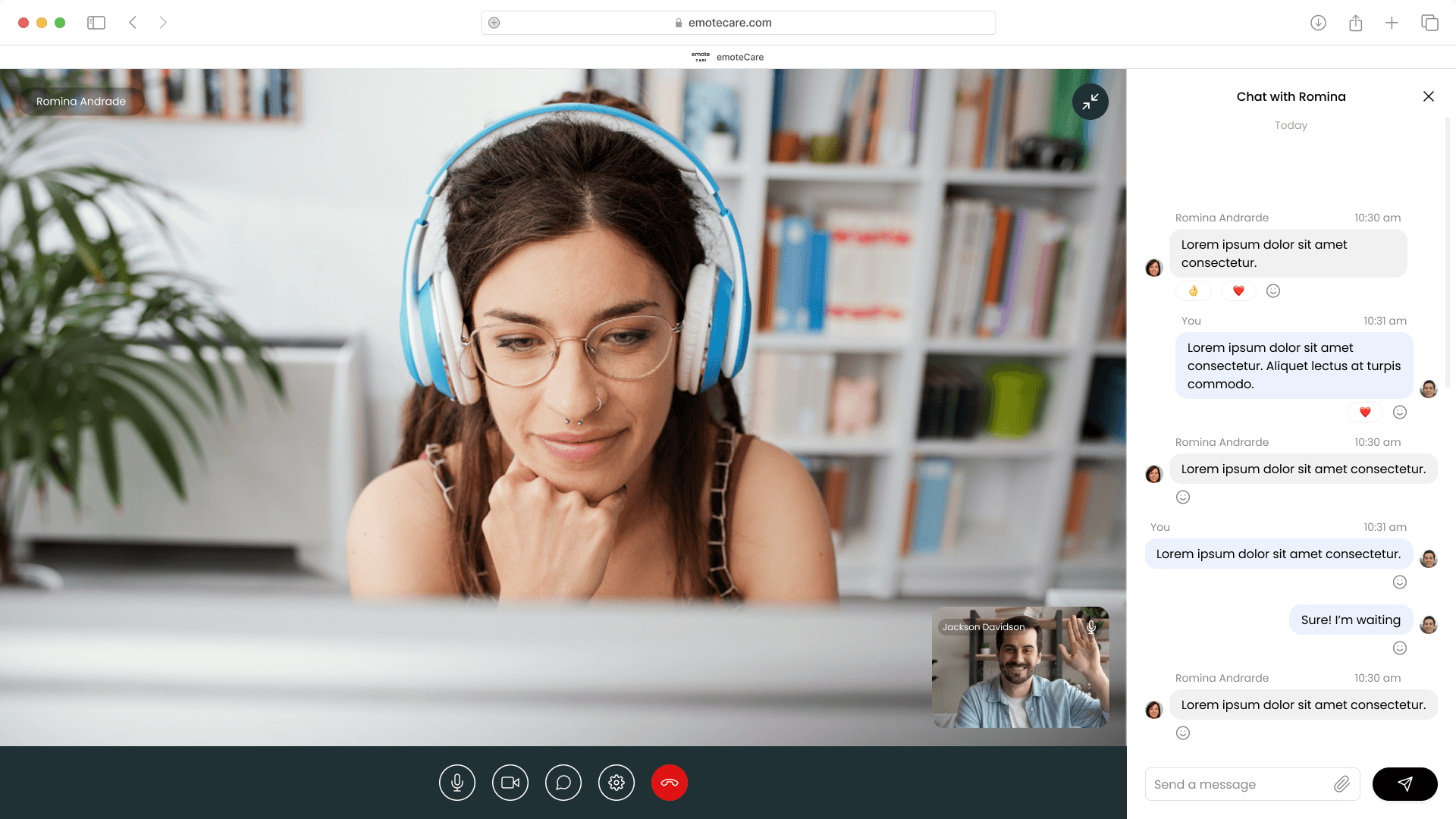
*Video call on the platform
Outcomes
For Clients
Flexible scheduling → increased completed bookings
Free intro sessions → lowered barriers and built trust
Guest checkout → improved conversion for first-time users
Improved navigation + favorites/search → easier therapist discovery
Therapy-type articles → reduced confusion, improved confidence in choice
Integrated video & payments → smoother, end-to-end therapy journey
Clear copy & simplified flows → more accessible for non-technical users
For Therapists
Intuitive dashboard → faster scheduling & client management
Transparent payments → reduced admin stress
Free intro sessions → easier to connect with new clients
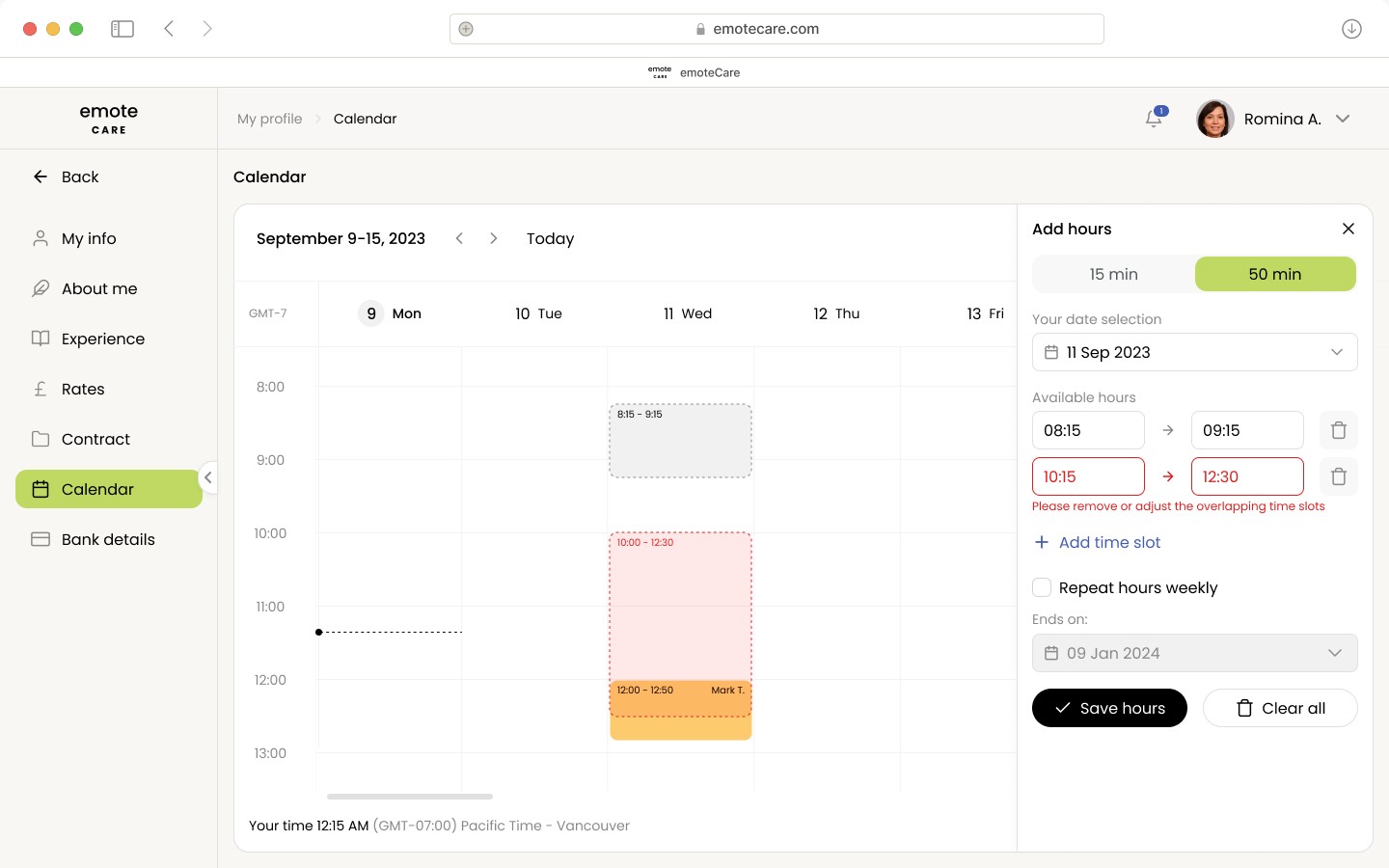
*Refined calendar to support 15-minute slots (vs. 30 min only), making scheduling more flexible for both therapists and clients
Impact
Speed: Delivered core MVP in 8 months, competitive with industry benchmarks
Expansion: Launched a full platform in 15 months with advanced features
Business: Strong traction + product improvements helped secure funding
Usability: Early testers reported higher clarity and confidence compared to competitors
Adoption: Iterations to booking and discovery flows directly increased client bookings and lowered drop-off
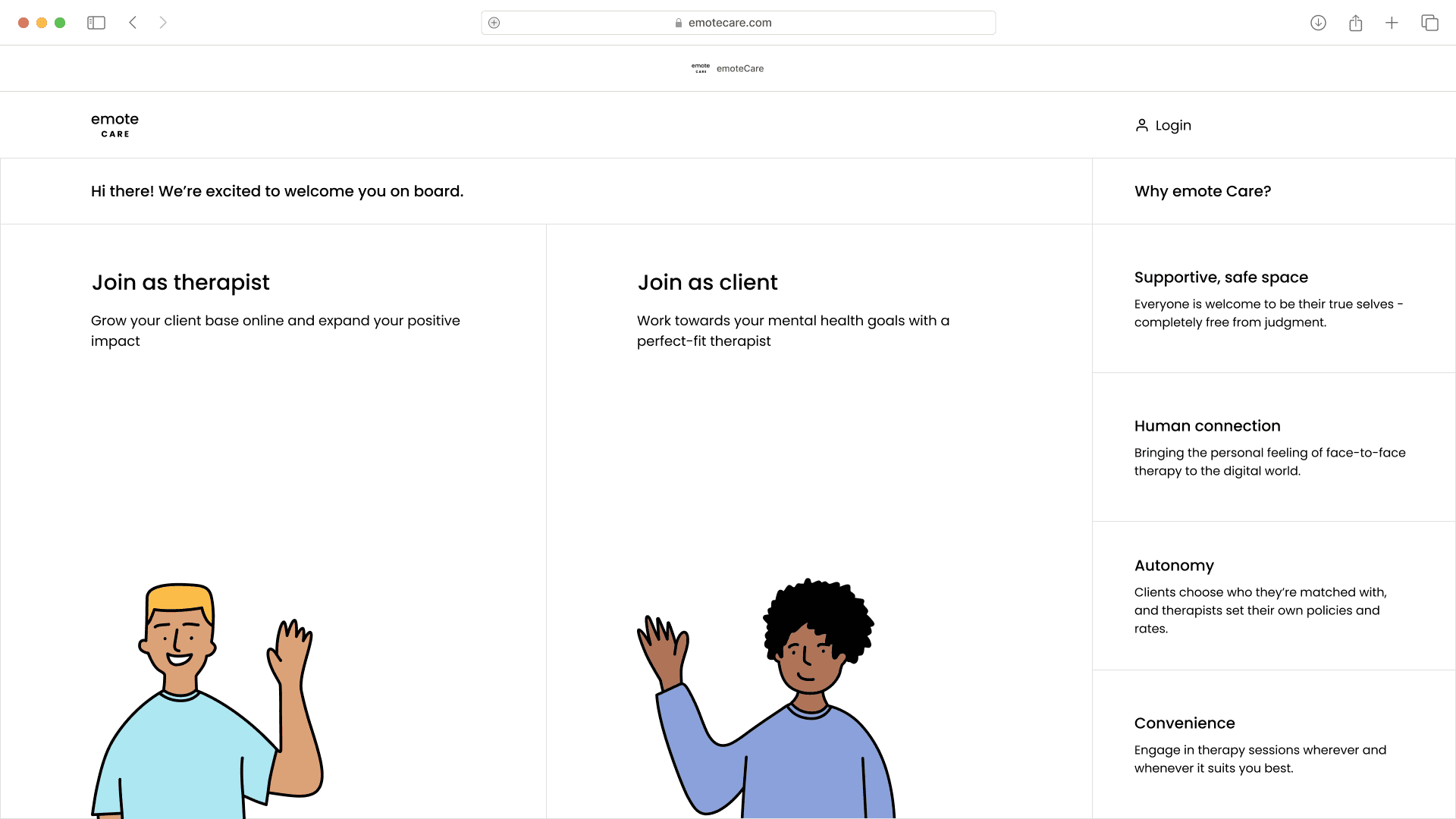
* Redesigned onboarding flows for both therapists and users to reduce friction and build trust from the first interaction
Reflection
What worked well
Close co-design with therapists built credibility and alignment
Warm visual language supported trust and accessibility
Rapid iteration loops with support & marketing accelerated improvements
Trade-offs
Expanding scope delayed launch by ~7 months
Advanced features slowed early validation but created a stickier product
What I’d do differently
Release MVP earlier for validation, move features like notes/contracts to Phase 2
Integrate analytics sooner for quantitative tracking
What I learned
Clear MVP scope is critical in startups
In health tech, emotional tone matters as much as usability
Great product design = balancing user needs, business goals, and speed to market
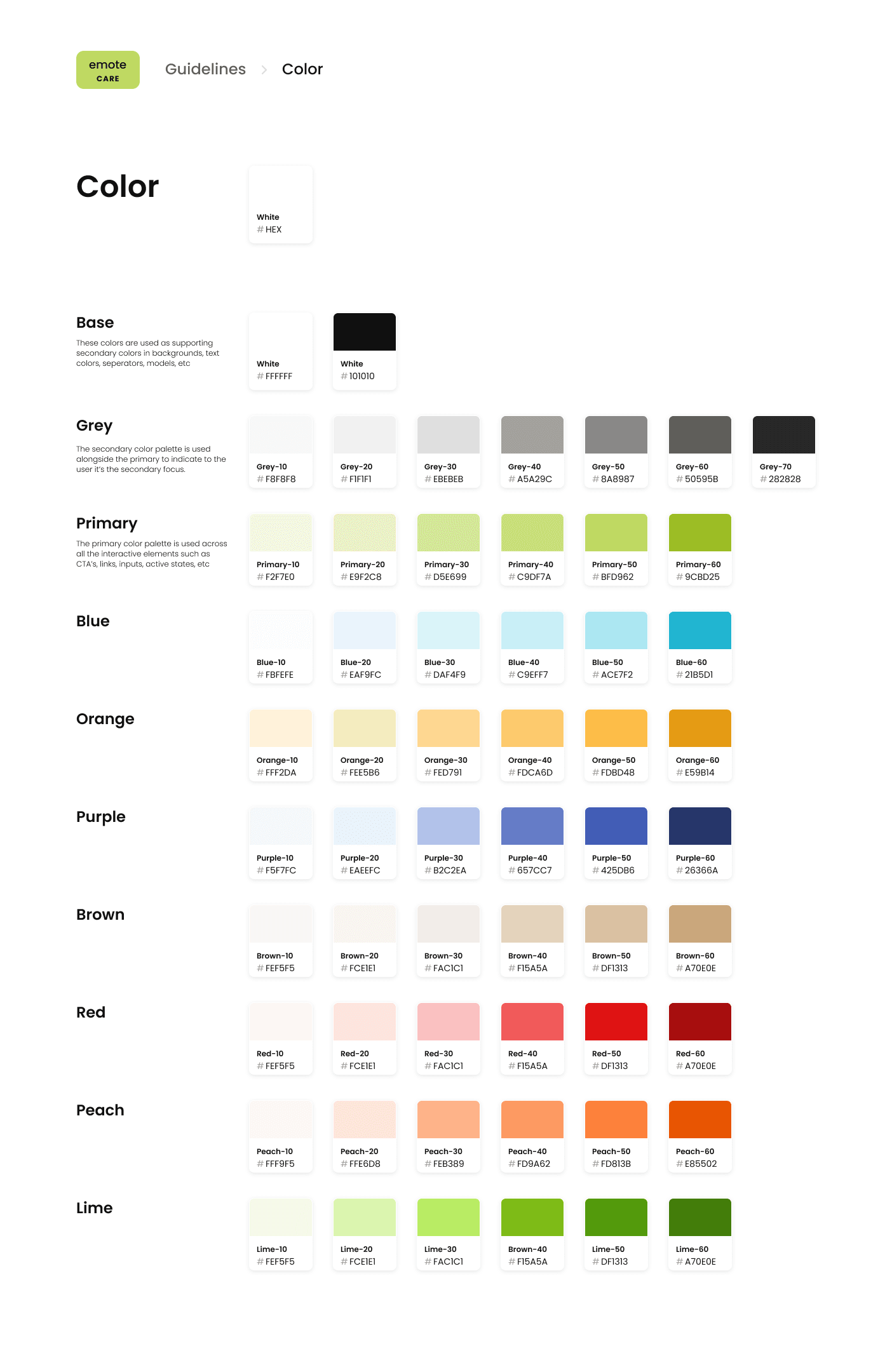
* Design System v1 improved handoffs, minimized dev–design friction and kept delivery on track.
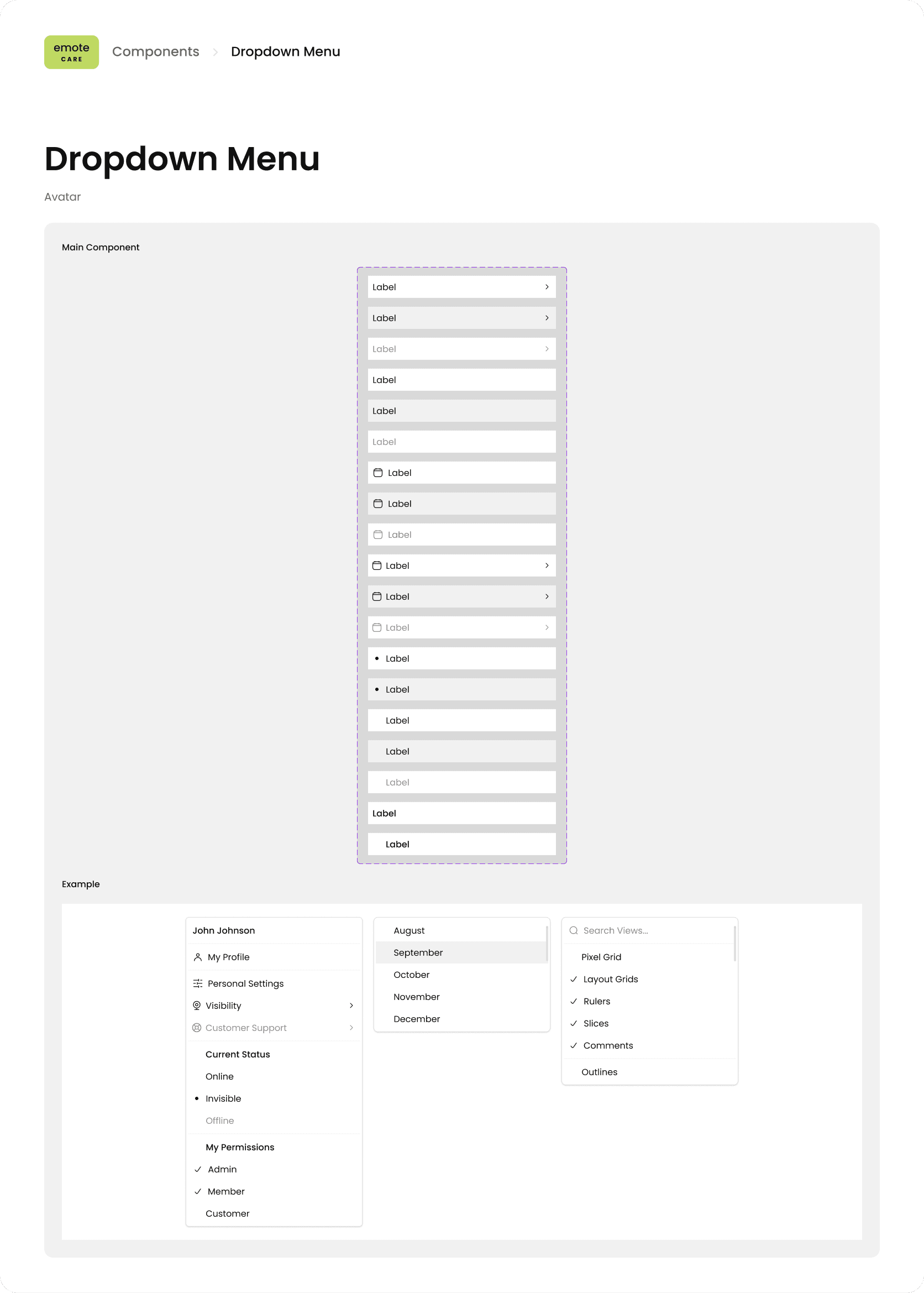
* Design System v1 improved handoffs, minimized dev–design friction and kept delivery on track.
